

Tools of the Trade
About
There are many different methods that scientists use to measure pH, pCO₂, DIC, and TA. Scientists choose their methodology carefully to help them answer specific questions about ocean acidification.
Methodologies to Measure Carbon Chemistry
Seawater carbonate chemistry measurements can be collected using the following methodologies:
- Continuous sensors: These sensors are used to automatically measure seawater carbonate chemistry in situ. Commonly used sensors can measure pH or pCO₂, alongside other water quality characteristics like temperature and salinity. Sensors can be applied to different platforms:
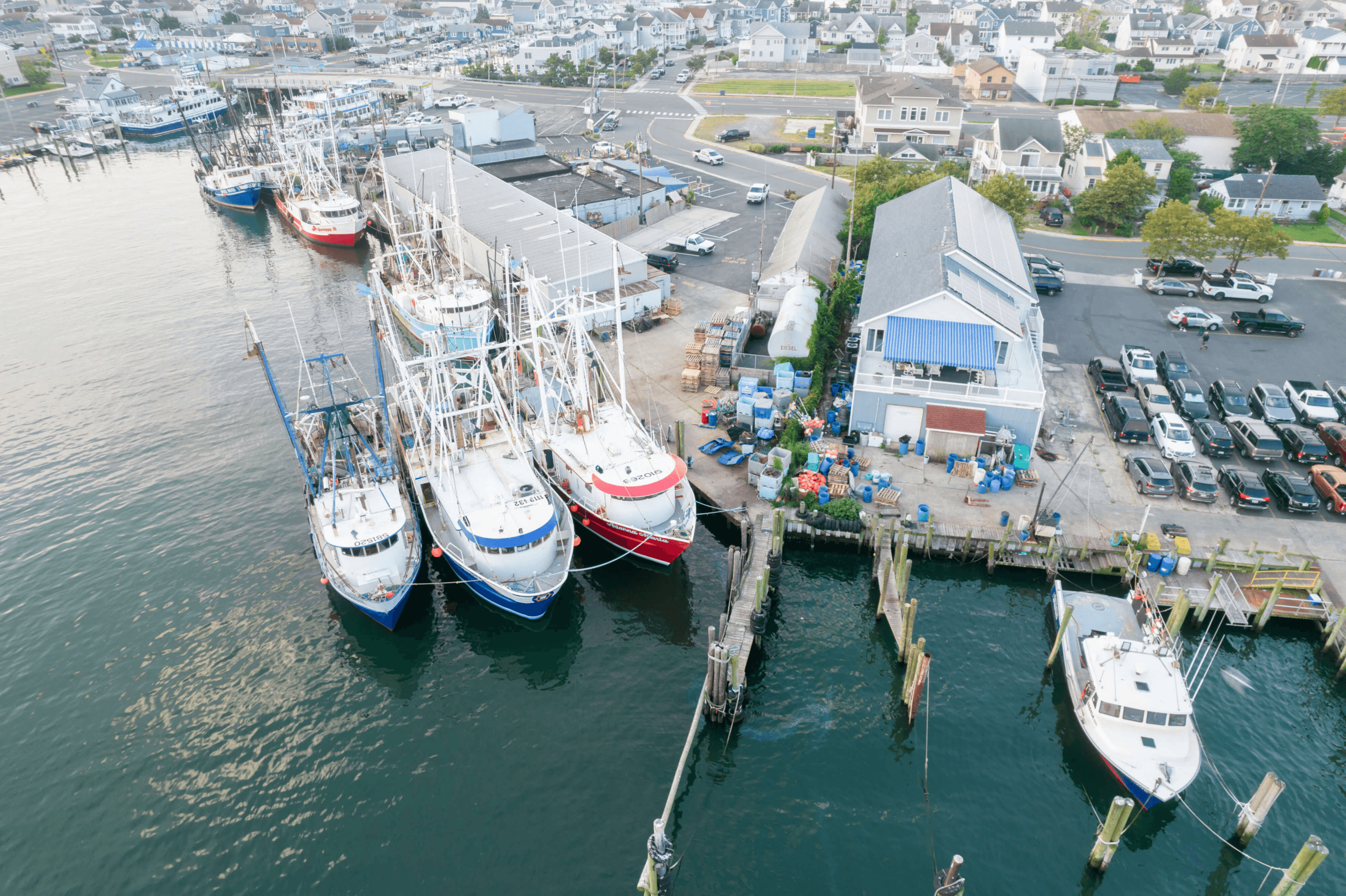
- Moored Continuous Sensors: affixed to buoys or docks, moored sensors measure seawater carbonate chemistry in one place over time
- Underway Cruise: sensors can also be attached to ships, collecting data at the ocean surface as the ship moves along its route
- Continuous Ocean Gliders: ocean gliders are autonomous, underwater vehicles that collect data across large areas and at varying depths as they “swim” through the ocean.
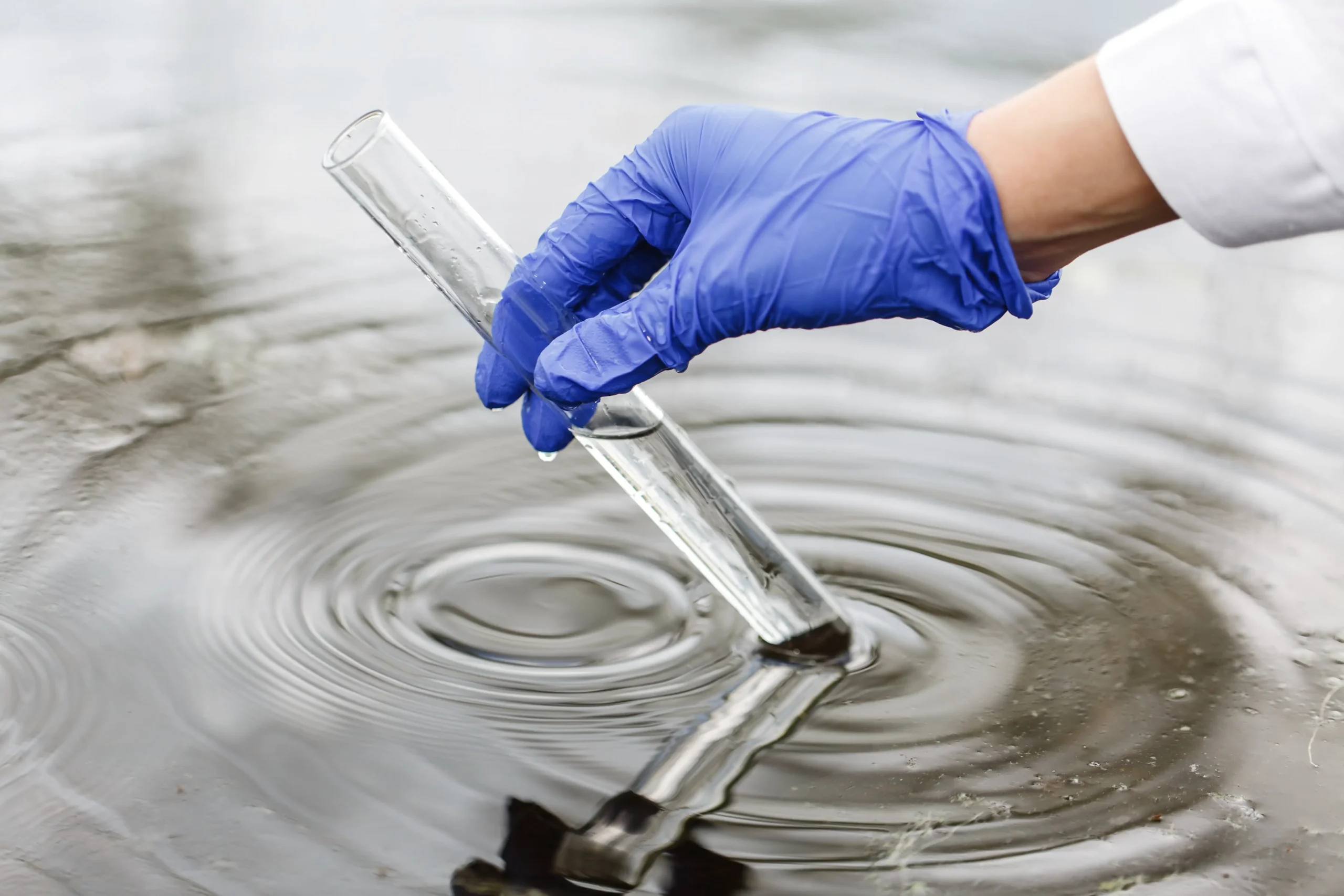
- Discrete sampling: Discrete sampling involves scientists collecting a single data point at a time, either by collecting a water sample or using a handheld probe. This can be done in several ways:
- Discrete Bottle Sampling: water samples are collected, preserved, and then brought back to a lab for analysis. Most methodologies for measuring DIC and TA require benchtop lab equipment, so bottle samples are commonly collected for these two parameters.
- Rosette Sampler: device that makes bottle sampling possible in the open ocean and deep ocean.
- Handheld Probe: handheld sensor that is operated by a user to record discrete measurements.

Moored continuous & underway cruise


Get Involved
If you are interested in learning more about MACAN and the work we do, please sign up for our monthly newsletter. You can also read our 2024 to 2028 Work Plan.

SUBSCRIBE TO OUR NEWSLETTER
Sign Upfollow us on social


The Mid-Atlantic Coastal Acidification Network. All Rights Reserved.